
Published on: January 12, 2026
Bringing home a kitten means watching many changes unfold, including the quiet transformation happening inside their mouth. This guide explains when baby teeth fall out, when adult teeth arrive, what signs to watch for, and how daily care supports lifelong comfort.
You will also learn how many teeth cats have, why gentle pet dentistry matters, and simple ways to protect your kitten’s smile. Clear expectations help pet parents feel confident during this short but important stage.
From teething behaviors to adult tooth milestones, every section offers practical guidance you can use right away. If you live near Florence, SC, this information pairs perfectly with local support for your growing companion.
Understanding Kitten Baby Teeth
Kittens start life without visible teeth. Baby teeth, also called milk teeth, appear between two and four weeks of age. These tiny teeth help kittens explore food and toys while learning to chew.
Most kittens grow 26 baby teeth. They include small incisors, pointy canines, and premolars. Molars do not appear until adulthood. Baby teeth look sharp because they are designed to pierce soft food and encourage early chewing skills.
During this stage, kittens may nibble hands, furniture, or blankets. This behavior reflects curiosity and mouth development. Offering soft toys and safe chew options helps protect belongings while easing gum pressure.
When Baby Teeth Fall Out
Baby teeth usually begin falling out around three to four months of age. The process continues for about six months. Adult teeth push from beneath the gums, loosening baby teeth until they drop naturally.
Some kittens swallow loose teeth while eating, which explains why owners rarely find them on the floor. Mild gum redness or small spots of blood can appear. These signs stay brief and typically resolve on their own.
Appetite changes, extra chewing, or brief fussiness may show up. Soft food, clean water, and calm play support comfort during this period.
Adult Teeth Growth Timeline
By six months, most kittens have their full set of adult teeth. Adult cats usually have 30 teeth total. This includes incisors, canines, premolars, and molars designed for slicing and grinding.
If you ever wondered how many teeth cats have, this milestone marks the final count for healthy adult mouths. Adult teeth feel stronger and look slightly larger than baby teeth. Once they arrive, daily care becomes more important because these teeth must last a lifetime.
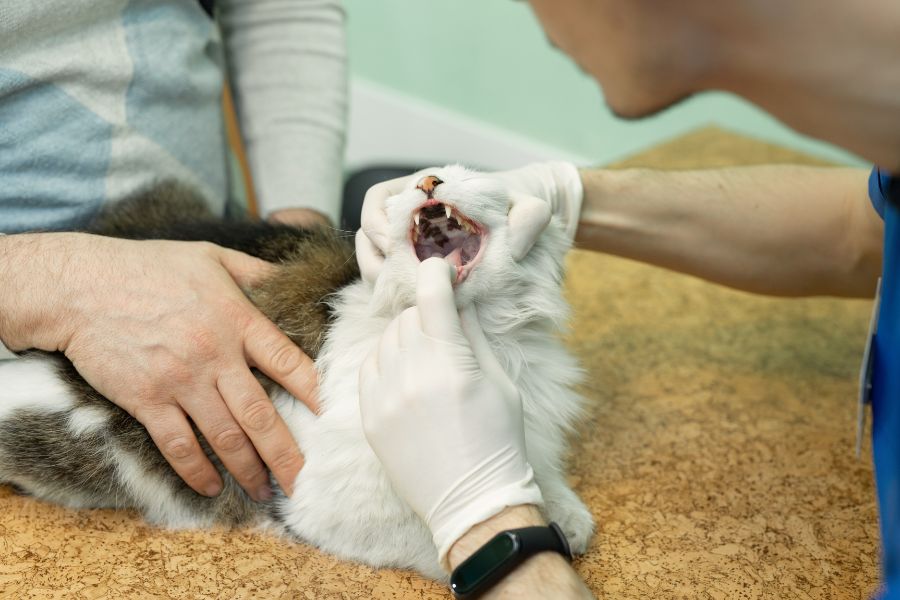
Checking your kitten’s mouth weekly builds familiarity. Lift the lips, glance at the gums, and note any swelling or heavy buildup. Early awareness keeps small issues from growing.
Common Teething Signs in Kittens
Teething looks different in every kitten. Many show increased chewing on toys or household items. Some drool lightly. Others paw at their mouth or prefer softer meals for a short time.
Bad breath that lasts more than a few days deserves attention. Persistent bleeding, refusal to eat, or obvious pain also signal a need for professional guidance. Gentle brushing habits can begin once adult teeth settle, using kitten-safe toothpaste and soft brushes.
This stage offers the best window to introduce pet dentistry routines. Short, positive sessions teach kittens that mouth care feels safe.
Simple Dental Care at Home
Home care shapes long-term oral comfort. Start with finger brushes or soft cloths before moving to small brushes. Keep sessions brief and upbeat. Praise and treats reinforce cooperation.
Dental-friendly treats and toys support cleaning through chewing. Fresh water helps rinse food particles. Avoid human toothpaste or hard objects that could crack teeth.
Consistency matters more than perfection. Even a few brushing sessions each week can lower buildup. Pair these habits with annual exams for a complete approach to pet dentistry that fits real life.
Why Early Dental Awareness Matters
Dental health connects to overall wellness. Bacteria from neglected mouths can affect appetite, energy, and comfort. Early routines prevent heavy buildup and protect sensitive gums.
Knowing how many teeth cats have helps owners notice changes faster. Missing teeth, dark spots, or swollen gums stand out once you understand normal patterns. Kittens raised with gentle mouth care accept brushing more easily as adults.
Clear communication with your care team builds trust and keeps plans simple. Ask questions, share observations, and stay involved in every stage.
Conclusion
Your kitten’s dental journey moves quickly, yet its impact lasts a lifetime. Understanding teething stages, practicing gentle home care, and staying alert to changes builds confidence and comfort. Adult teeth deserve daily attention, simple brushing, and routine checkups.
Knowing how many teeth cats have helps you spot concerns early and support healthy habits. Pet dentistry works best when owners stay involved and informed. Small steps today shape brighter smiles tomorrow.
We are conveniently serving in Florence, SC, and welcome you to our location: 2221 2nd Loop Rd, Florence, SC 29501 — where compassionate care and community come together for your pet’s well-being. Schedule an appointment with Doko Animal Hospital.