Published on: September 4, 2026
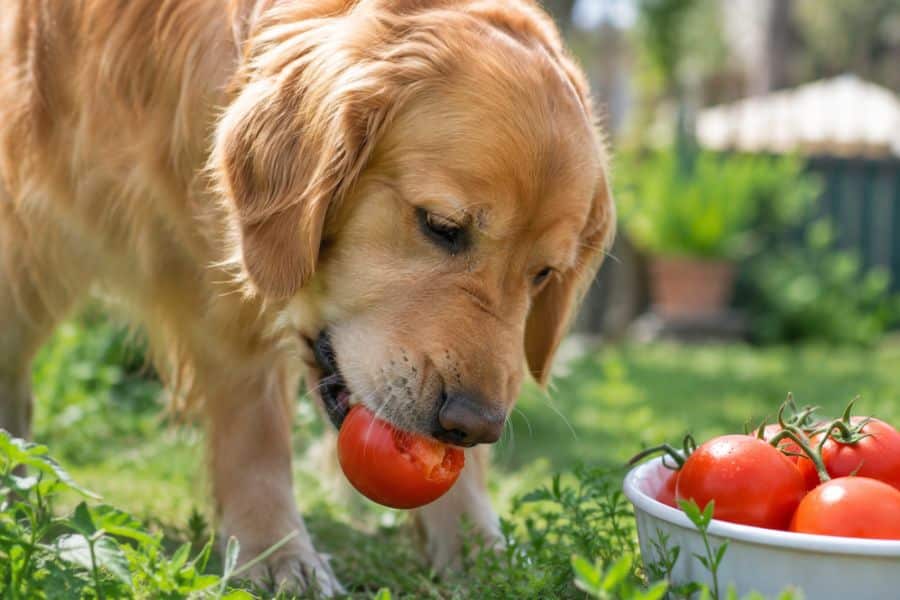
A red tomato looks harmless, and a curious dog may snatch a slice from the counter. The question is whether the skin changes the answer. For healthy dogs, skin from a fully ripe, red tomato is generally safe in a small portion.
The bigger concern is the tomato plant and unripe fruit, which contain more tomatine. Preparation matters. Plain ripe tomato differs from sauce, salsa, pizza toppings, and seasoned foods. This guide covers skin safety, benefits, risks, serving methods, warning signs, and veterinary care.
Can Dogs Eat Tomato Skin?
Yes, dogs can eat tomato skin when it comes from a ripe, red tomato and is offered in moderation. The skin itself is not considered the primary toxic concern. ASPCA identifies tomato plant material as toxic to dogs, noting that ripe fruit is non-toxic. AKC guidance makes the same distinction between ripe tomato and green plant material.
Tomato skin contains fiber and nutrients. It does not need to be peeled for every dog. Wash the tomato to remove dirt and surface residues.
Some dogs have sensitive stomachs. Acidic foods can cause digestive upset. A small piece is a sensible starting point.
Why Ripe Tomatoes Matter
Ripeness changes the safety picture. Green tomatoes and green portions of the tomato plant contain higher levels of tomatine. Leaves and stems should never be treated like ordinary vegetables. ASPCA lists tomato plant material as toxic to dogs, with possible signs including gastrointestinal upset, weakness, dilated pupils, reduced appetite, and changes in heart rate.
A ripe, red tomato contains much less of the concerning compound. Ripe tomato flesh and skin are safer occasional treats. The tomato should be mature, fresh, clean, and free from stems or leaves.
What About Green Tomatoes?
Green tomatoes deserve caution. One small piece may not cause poisoning, but larger amounts create greater risk. Puppies and smaller dogs may need closer attention.
Do not let your dog chew tomato vines, leaves, stems, or fallen unripe fruit. Garden access can expose dogs to fertilizers, compost, or pesticides.
If your dog has eaten a large quantity of green tomato or plant material, contact your veterinarian for individualized guidance.
How to Serve Tomato Skin Safely
Choose a ripe red tomato. Wash it thoroughly. Remove the stem and green portions. Cut the tomato into small pieces. Offer a modest amount as an occasional treat.
Avoid tomato products made for people. Ketchup, pasta sauce, pizza sauce, salsa, soups, and canned preparations can contain onion, garlic, excess salt, sugar, spices, or other ingredients unsuitable for dogs. Plain tomato is easier to evaluate and portion.
Dogs do not need tomatoes for nutrition. Complete dog food should provide the main diet. Treats should remain a small part of feeding.
Possible Benefits of Ripe Tomato
Ripe tomatoes provide vitamin C, vitamin K, potassium, folate, antioxidants, and fiber. Dogs do not require tomato, but a tiny piece can add variety as a low-calorie snack. Dogs with food sensitivities, prescribed diets, digestive disorders, or weight-management plans may need different treats.
Signs Your Dog May Be Having a Problem
Small pieces of ripe tomato usually cause no serious reaction. Digestive sensitivity can occur. Watch for vomiting, diarrhea, drooling, weakness, tiredness, loss of appetite, abdominal discomfort, tremors, dilated pupils, or coordination changes.
More concerning signs can follow significant exposure to green tomatoes or plant material. Abnormal heart rate, severe weakness, behavioral changes, or collapse require urgent attention.
Do not induce vomiting unless a qualified professional specifically tells you to do so. Have the food, plant material, approximate amount, and ingestion time available when seeking advice.
Tomato Skin, Seeds, and Core: What Should You Remove?
Tomato skin and seeds from a ripe tomato are generally not the main safety issue. Dogs can usually consume them with ripe fruit. The stem and leaves are different. Remove them before serving.
Remove a tough central core if it is large or firm. Cutting fruit into small pieces reduces gulping and improves portion control. Cherry tomatoes need the same preparation: ripe, washed, stem-free, and cut appropriately.
When to Contact a Professional
A single bite of ripe tomato skin is rarely a reason for panic. A large amount of green tomato, leaves, stems, or an unknown quantity deserves professional assessment. Symptoms can guide urgency, but waiting for symptoms is not necessary after a significant exposure.
Your dog’s size, health history, diet, and amount eaten can change the response. For recurring digestive reactions or treat questions, discuss your dog’s diet during routine veterinary care.
Frequently Asked Questions(FAQs):
1. Can dogs eat tomato skin raw?
A: Yes. Dogs can generally eat skin from a ripe, red tomato when it is washed, free of stems and leaves, cut into small pieces, and offered in moderation. Avoid green tomato parts.
2. Is tomato skin toxic to dogs?
A: Ripe tomato skin is not considered the primary toxic part. Concern centers on green tomatoes and plant material, which contain higher levels of tomatine. Large exposures can cause illness and require professional guidance.
3. Can dogs eat green tomatoes?
A: Green tomatoes are not recommended as a dog treat. They contain more tomatine than ripe fruit. Eating a significant amount may cause digestive or neurologic signs. Contact a professional after substantial ingestion.
4. Can dogs eat tomatoes with seeds?
A: Ripe tomato seeds are generally not considered toxic to dogs. Small amounts can remain in the fruit. Serve washed, ripe tomato without stems or leaves, and remove unusually tough portions before feeding.
5. Are cherry tomatoes safe for dogs?
A: Ripe cherry tomatoes can be offered in small portions. Wash them, remove stems, and cut them appropriately for your dog’s size. Avoid green fruit and garden plant parts. Monitor for digestive upset.
6. What should I do if my dog eats tomato leaves?
A: Tomato leaves can be toxic to dogs. Remove access to the plant and contact your veterinarian or an animal poison service for guidance, especially after substantial ingestion or if symptoms appear.