
Published on: May 15, 2026
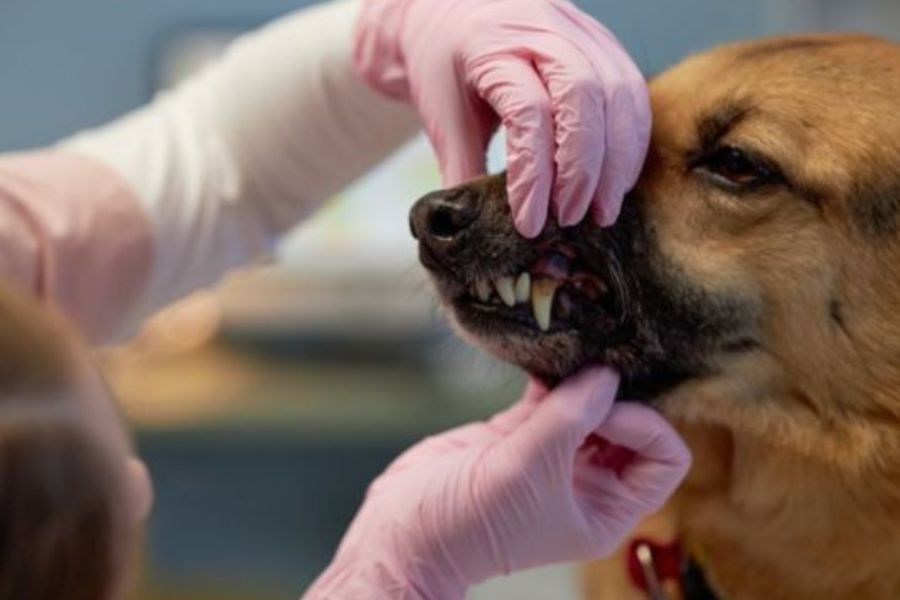
Bad breath in dogs and cats is often brushed off as normal, though an unpleasant odor may signal painful dental disease developing below the surface. Many pets continue to eat, play, and behave normally even while dealing with gum inflammation, infected teeth, or oral discomfort.
Dental care supports far more than fresher breath. Healthy teeth and gums may affect comfort, eating habits, energy levels, and long-term wellness in pets.
If you’re a pet owner in Blythewood, this blog is especially for you. Learning how dental care helps prevent hidden oral problems may help protect your dog or cat from avoidable pain and future treatment needs.
Dental Problems Often Stay Hidden for Years
Dogs and cats naturally hide discomfort well. Oral disease may continue progressing long before owners notice visible warning signs at home.
Plaque, tartar buildup, and gum irritation can gradually affect daily comfort.
Early Signs of Oral Disease May Be Developing
- Persistent bad breath: Strong odor often signals bacterial buildup.
- Difficulty chewing food: Sensitive teeth may affect eating habits.
- Dropping food while eating: Oral pain sometimes changes chewing patterns.
- Red or swollen gums: Inflammation may quietly worsen over time.
Routine oral exams help identify small issues before they become severe.
Gum Disease May Affect More Than the Mouth
Dental disease does not always stay limited to teeth and gums. Ongoing oral infection may contribute to inflammation affecting overall health and comfort throughout the body.
Long-term dental problems often become more serious when left untreated.
Health Concerns Linked to Advanced Oral Disease
- Chronic mouth pain: Infection may cause daily discomfort.
- Reduced appetite: Eating can gradually become uncomfortable.
- Inflammation buildup: Ongoing bacteria may affect internal wellness.
- Behavior changes: Pain sometimes affects mood and energy levels.
Early dental services from a reliable vet often support better long-term comfort.
Painful Teeth Commonly Change Daily Behaviors
Many owners expect pets with dental pain to stop eating completely. Dogs and cats often continue eating despite significant discomfort, making oral disease harder to recognize early.
Behavior changes sometimes become the first noticeable warning signs.
Behavioral Changes Owners Should Watch Closely
- Avoiding chew toys: Hard surfaces may become uncomfortable.
- Sleeping more often: Ongoing soreness may reduce activity.
- Irritability during touch: Mouth sensitivity may increase reactions.
- Less excitement during meals: Pain can reduce the enjoyment of eating.
Many pets appear noticeably happier after dental treatment addresses chronic discomfort.
Dental Cleanings Remove Harmful Hidden Buildup
Daily brushing helps support oral health, though plaque and tartar often continue collecting beneath the gumline over time.
Professional cleanings target buildup that is difficult to remove at home.
What Happens During Dental Cleaning Procedures
- Plaque and tartar removal: Hardened buildup is carefully cleaned away.
- Oral tissue evaluations: Gums and teeth are closely monitored.
- Dental imaging performed: Hidden damage may be detected early.
- Tooth polishing completed: Smoother surfaces may slow future buildup.
Preventive cleanings often significantly reduce future dental complications.
Dental Imaging Detects Problems Invisible Above Gums
Many painful dental conditions remain hidden beneath the gumline, where visual exams alone cannot detect them clearly.
Diagnostic imaging helps uncover disease before it becomes more advanced.
Problems Often Found Through Dental Imaging
- Tooth root infections: Pain may develop beneath visible teeth.
- Bone loss around teeth: Advanced disease may weaken support structures.
- Fractured teeth: Cracks sometimes remain difficult to spot visually.
- Resorptive lesions in cats: Tooth breakdown may cause severe discomfort.
Imaging plays an important role during oral evaluations and treatment planning.
Preventive Care Often Reduces Future Procedures
Small dental problems often become more difficult once infection spreads further. Earlier treatment may help reduce the need for future oral surgery or tooth extractions.
Preventive care supports healthier teeth throughout every life stage.
Habits That Support Better Oral Health
- Routine wellness exams: Early changes may be detected sooner.
- Regular dental cleanings: Plaque buildup becomes easier to manage.
- Monitoring chewing behavior: Changes in eating may signal discomfort.
- Dental-friendly diets and treats: Certain products may help keep teeth cleaner.
Consistent dental care often helps reduce long-term oral complications.
Older Pets Frequently Need Closer Oral Monitoring
Senior dogs and cats commonly develop more advanced dental disease over time. Years of plaque buildup may gradually affect teeth, gums, and surrounding bone structures.
Older pets often benefit from more frequent oral evaluations.
Common Dental Problems Seen In Aging Pets
- Loose teeth: Bone support may weaken gradually.
- Persistent bad breath: Infection may worsen over time.
- Difficulty chewing normally: Soreness often affects eating routines.
- Visible tartar buildup: Plaque accumulation may become severe.
Oral health remains important throughout every stage of aging.
Healthy Mouths Often Improve Daily Comfort
Dental care affects more than just appearance or odor. Healthy gums and teeth may improve sleep, eating habits, activity levels, and overall comfort for dogs and cats living with hidden oral disease.
Small dental problems often become painful conditions when ignored for too long.
Benefits Owners Commonly Notice After Treatment
- Improved appetite: Eating may feel more comfortable again.
- Better energy levels: Reduced pain often improves activity.
- Less mouth sensitivity: Pets may chew more comfortably.
- Fresher breath overall: Lower bacteria levels improve odor.
Earlier dental care often supports healthier long-term outcomes.
Helping Pets Stay Comfortable Long-Term
Dental disease may quietly affect comfort, behavior, appetite, and overall health long before visible symptoms appear. Oral exams, preventive cleanings, imaging, and treatment plans help reduce the risk of infection, discomfort, and future complications. Earlier attention to dental health often improves quality of life while helping dogs and cats stay healthier and more comfortable over time.
Start Your Pet’s Healthcare With Dentistry
If you’re in Blythewood and searching for a veterinarian near you for pet dental care, wellness visits, or diagnostic imaging services, book an appointment with DOKO Animal Hospital. Our team can help identify hidden oral problems early, monitor dental health, and support your dog or cat through preventive care designed to improve comfort, promote healthier teeth, and enhance everyday well-being.
Frequently Asked Questions(FAQs):
1. Why does my pet still have bad breath after eating normally?
A: Persistent bad breath often points to plaque buildup, gum infection, tooth decay, or oral bacteria developing below the gumline, even when pets continue to eat and behave normally at home.
2. Can dental disease change my pet’s behavior?
A: Yes. Oral pain may affect sleep, appetite, chewing habits, mood, playfulness, and interaction levels. Many pets become quieter or less active when chronic dental discomfort develops gradually.
3. How often should dogs and cats receive dental cleanings?
A: Cleaning schedules depend on plaque buildup, breed, age, diet, and oral health condition. Regular oral exams help determine when professional cleanings may help prevent worsening dental disease.
4. Why are dental X-rays important during cleanings?
A: Dental imaging helps detect hidden root infections, fractures, bone loss, and painful conditions beneath the gums that may not appear during visual oral examinations alone.
5. What are common signs of oral pain in pets?
A: Difficulty chewing, dropping food, swollen gums, bad breath, pawing at the mouth, avoiding chew toys, and reduced interest during meals may all signal developing dental discomfort.