
Published on: March 18, 2026
If you share your home with a cat, you’ve likely faced the frustration of scratched couches, torn curtains, or damaged wooden furniture. While this behavior can feel destructive, it is completely natural for cats. The key is not to stop scratching altogether, but to guide it in the right direction.
This guide takes a clear and practical approach to help you understand why cats scratch and how to redirect the behavior effectively. If you’ve been searching for how to stop cats from scratching furniture, this blog will walk you through solutions that are realistic, humane, and easy to follow.
Why Do Cats Scratch Furniture?
Understanding the reason behind scratching is the first step toward solving it.
1. It’s Instinctive Behavior
Cats are born with the instinct to scratch. It helps them maintain their claws by removing the outer layer and keeping them sharp and healthy.
2. Marking Territory
Cats have scent glands in their paws. When they scratch, they leave both a visual mark and a scent signal. This is their way of claiming space.
3. Stretching and Exercise
Scratching allows cats to stretch their muscles, especially along their back and shoulders. It’s a natural form of movement and physical activity.
4. Stress Relief
Changes in the environment, boredom, or anxiety can increase scratching behavior. Cats use it as a coping mechanism.
5. Attention-Seeking
If your cat notices that scratching furniture gets a reaction from you, they may repeat it to gain attention.
How Do I Stop Cat Scratching Furniture?
The goal is to redirect—not punish. Here’s a structured plan that works.
1. Provide Better Alternatives
Cats need acceptable places to scratch.
Choose the Right Scratching Post
- Pick sturdy posts that won’t wobble
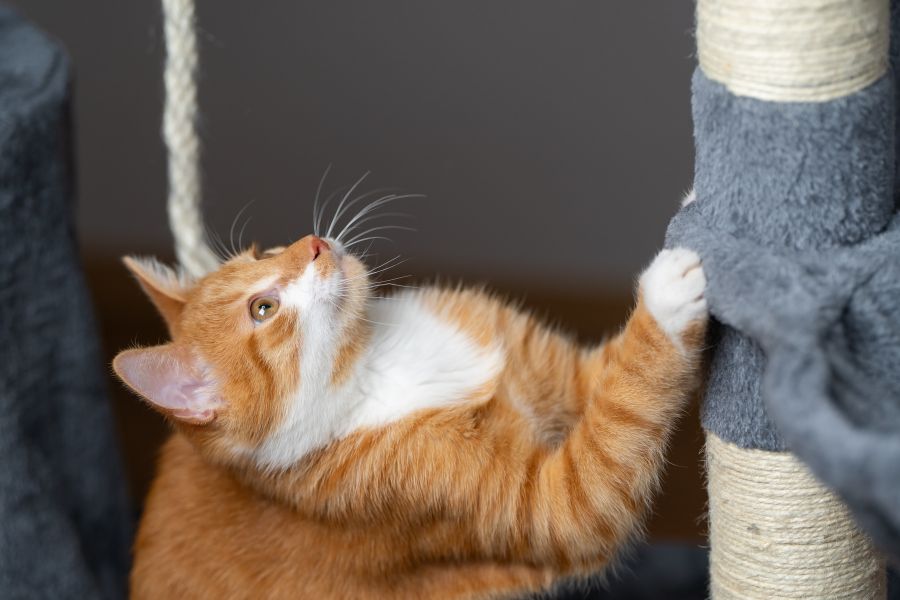
- Use materials like sisal, cardboard, or carpet
- Ensure the height allows a full body stretch
Place It Strategically
Position scratching posts:
- Near the furniture, your cat already targets
- Close to sleeping areas (cats stretch after waking up)
- In common living spaces
2. Make Furniture Less Appealing
Cats often return to the same spot. Break that habit.
Use Deterrents
- Double-sided tape (cats dislike the sticky texture)
- Furniture covers or protectors
- Safe sprays with scents cats avoid
Rearrange Temporarily
Move items slightly or block access to heavily scratched areas while training your cat.
3. Encourage Positive Behavior
Reinforcement works better than punishment.
Reward Good Choices
Whenever your cat uses a scratching post:
- Offer treats
- Give gentle praise
- Use toys to reinforce the habit
Use Play as Redirection
If your cat starts scratching furniture, redirect with a toy instead of scolding.
4. Trim Your Cat’s Nails Regularly
Shorter nails reduce damage and make scratching less destructive.
- Trim every 2–3 weeks
- Use proper pet nail clippers
- Avoid cutting too close to the quick
If you’re unsure how to do this safely, you can visit our website to learn more about professional nail trimming and pet care services.
5. Consider Environmental Enrichment
A bored cat is more likely to scratch in unwanted places.
Add Stimulation
- Interactive toys
- Window perches
- Climbing trees
Maintain Routine
Cats feel secure with consistent feeding, playtime, and sleep schedules.
Common Mistakes to Avoid
Knowing what not to do is just as important.
1. Avoid Punishment
Yelling or physical correction creates fear and does not stop the behavior. It may lead to stress-related issues.
2. Don’t Remove Scratching Options
Taking away scratching outlets entirely can worsen the problem. Cats need to scratch.
3. Avoid Declawing
Declawing is a surgical procedure that can cause long-term pain and behavioral issues. It does not address the root cause.
How to Stop Cats from Scratching Furniture: A Step-by-Step Plan
If you want a clear action plan, follow this sequence:
- Observe your cat’s habits – identify favorite scratching spots
- Introduce scratching posts near those areas
- Apply deterrents to furniture
- Reward positive behavior immediately
- Trim nails regularly
- Increase play and enrichment
Consistency matters. Most cats adjust within a few weeks when the environment supports their natural behavior.
When to Consider Veterinary Support
If scratching becomes excessive or sudden, it may point to underlying issues such as:
- Anxiety or stress
- Skin irritation
- Behavioral changes
A veterinary professional can assess the situation and guide you with tailored solutions. Early guidance helps prevent long-term habits.
Building a Cat-Friendly Home
A balanced home setup reduces unwanted scratching.
1. Create Zones
- Resting area
- Play zone
- Scratching stations
2. Rotate Toys
Keep your cat engaged by rotating toys every few days.
3. Use Vertical Space
Cats love height. Adding shelves or cat trees can shift their attention away from furniture.
Conclusion: Take Control with a Clear Plan
Scratching is a natural and necessary behavior for cats. The solution is not to stop it, but to guide it in the right direction. By understanding the reasons behind it and creating a supportive environment, you can protect your furniture without stressing your cat.
If you’ve been wondering how to stop cats from scratching furniture, the answer lies in consistency, patience, and the right setup. Small changes can lead to lasting results.
If your cat’s behavior feels difficult to manage or you notice sudden changes, professional guidance can make a difference. Book an appointment with a trusted veterinary team to get personalized advice and ensure your cat’s overall well-being.
Your home and your cat can coexist peacefully—with the right approach in place.
Frequently Asked Questions(FAQs):
1. Why does my cat ignore the scratching post?
A: It may not be the right type or location. Try different materials and place the post where your cat already scratches.
2. How long does it take to stop furniture scratching?
A: Most cats respond within 2–4 weeks with consistent training and proper setup.
3. Are scratching sprays effective?
They can help when combined with other methods like providing alternatives and positive reinforcement.
4. Should I punish my cat for scratching furniture?
A: No. Punishment creates fear and does not solve the behavior. Focus on redirection instead.
5. Can stress cause increased scratching?
A: Yes. Changes in routine, new pets, or unfamiliar environments can lead to more scratching.
6. What’s the best material for a scratching post?
A: Sisal is widely preferred, but some cats like cardboard or carpet. Test a few options to see what your cat prefers.