Published on: August 20, 2026
A pet’s mouth can reveal problems that deserve prompt attention. Broken teeth, severe gum inflammation, oral bleeding, foreign objects, and painful swelling can affect eating, comfort, and overall health.
This guide covers five oral health problems that may require urgent care, warning signs owners should notice, unsafe home treatments to avoid, and ways to protect oral health. For pet parents in Blythwood, understanding when to seek urgent care for pets can make a meaningful difference.
1. Broken, Cracked, or Loose Teeth
Dogs and cats can damage teeth while chewing hard objects, playing, or experiencing an accident. A fractured tooth may expose sensitive inner tissue and cause pain.
Watch for dropping food, chewing on one side, pawing at the mouth, excessive drooling, facial sensitivity, or reluctance to eat. A tooth that is visibly broken, bleeding, or causing obvious discomfort deserves prompt professional assessment.
Do not pull a loose tooth or apply human dental products. A frightened or hurting pet may bite.
2. Severe Gum Disease and Oral Infection
Persistent bad breath deserves attention. Red, swollen, bleeding gums, heavy tartar, pus, or strong odor can indicate advanced dental disease or infection.
Pain may make a pet less interested in food, less social, or unusually irritable. An infection can create swelling around the face or jaw. Pets that stop eating, develop facial swelling, or seem significantly painful should be evaluated promptly.
A care team can inspect the mouth, identify the source of discomfort, and recommend treatment.
3. Oral Bleeding That Does Not Stop
A small amount of blood after minor irritation can happen. Persistent or unexplained bleeding needs attention. Causes include damaged gums, fractured teeth, mouth injuries, foreign material, or growths inside the mouth.
Do not place medication, alcohol, or household antiseptics on the wound. If bleeding is heavy, continues despite rest, or occurs with pale gums, weakness, breathing difficulty, or collapse, seek immediate professional help.
4. A Foreign Object Stuck in the Mouth
Sticks, bones, pieces of toys, and other objects can become lodged between teeth or across the roof of the mouth. A trapped object can cause cuts, swelling, choking risk, or severe discomfort.
Signs include pawing at the face, gagging, drooling, trouble closing the mouth, sudden refusal to eat, or unusual jaw movements. Look only if your pet allows a safe visual check.
Never force the mouth open or pull an object that appears deeply embedded. Sharp objects can cause more damage when moved.
5. Sudden Facial or Mouth Swelling
Sudden swelling around the mouth, cheek, jaw, or throat can have several causes. Dental infection, trauma, an abscess, an allergic reaction, or another underlying problem may be responsible.
Swelling paired with pain, difficulty eating, excessive drooling, trouble swallowing, or breathing changes requires prompt attention. Breathing difficulty requires immediate care.
Avoid squeezing, puncturing, or draining a swollen area at home. A professional assessment can identify the cause and determine the safest next step.
What Should You Do While Seeking Care?
Stay calm and keep your pet in a quiet area. Offer water unless swallowing is difficult. Avoid hard treats, bones, chew toys, and human pain relievers. Take a photo of visible swelling or bleeding if safe. Note when the problem started and changes in eating or behavior.
Honest information helps the team prepare for your visit.
How Can You Protect Your Pet’s Oral Health?
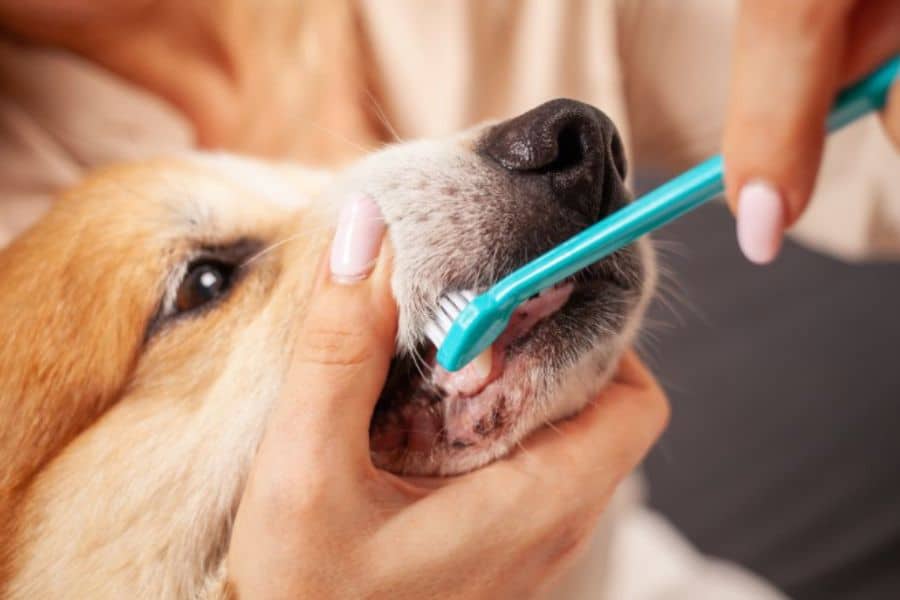
Regular mouth checks can help owners notice changes early. Look for red gums, broken teeth, unusual swelling, bleeding, bad breath, or changes in chewing. Pet-safe dental care, appropriate chew choices, and routine dental evaluations can support healthier teeth and gums.
Never assume a pet is fine because it continues eating. Animals often hide pain.
Conclusion
Oral problems can become painful quickly, and visible signs should never be dismissed. Broken teeth, serious gum disease, persistent bleeding, trapped objects, and sudden swelling all deserve careful attention. Knowing the warning signs helps you decide when prompt care is appropriate and reduces prolonged discomfort.
For urgent concerns, call us at 803-786-2412 today to discuss your pet’s symptoms and next steps. If you’re in the Blythwood area, Doko Animal Hospital can provide compassionate, community-focused support for pets and their families when oral health concerns arise.
Frequently Asked Questions(FAQs):
1. What are signs of oral pain in pets?
A: Common signs include drooling, pawing at the mouth, bad breath, dropping food, chewing differently, reduced appetite, facial sensitivity, and reluctance to play with chew toys, and may appear during meals.
2. When should a broken pet tooth be treated?
A: A broken tooth should receive prompt attention when it causes pain, bleeding, sensitivity, visible damage, or difficulty eating. An examination can identify the safest treatment for your pet, or swelling.
3. Can dental infections make pets sick?
A: Yes. An untreated oral infection can cause pain and swelling and may affect normal eating. Prompt assessment helps identify infection and determine suitable treatment for the pet and improve comfort.
4. Should I remove something stuck in my pet’s mouth?
A: Do not pull deeply embedded or sharp objects. Trying to remove them can worsen injury. Contact a professional care team for guidance, especially when your pet is distressed or bleeding.
5. Is bad breath always a dental problem?
A: Persistent strong odor can be associated with dental disease, infection, or other health concerns. A noticeable change in breath should be discussed during a pet health visit or another condition.
6. What can I give my pet for mouth pain?
A: Do not give human pain medicine unless specifically instructed by a qualified professional. Some human medications can be dangerous for dogs and cats, even in small amounts without professional guidance.