
Published on: May 26, 2026
A comprehensive wellness exam helps your pet stay healthy through every life stage. These visits focus on prevention, early detection, nutrition, behavior, parasite control, dental health, and physical condition. Many pet owners schedule wellness exams only when a problem appears.
Routine care gives your veterinarian a better understanding of your pet’s normal health patterns. A wellness appointment also gives families time to ask questions about habits, diet, exercise, and age-related concerns. If your pet has been scratching more, eating less, gaining weight, or acting differently, a wellness visit can help uncover the cause before the issue becomes serious.
Why Wellness Exams Matter
Pets age faster than humans. Small changes can develop quickly between visits. Routine wellness exams help detect concerns before they become painful or expensive to treat. Regular checkups also help your pet build trust with the medical team.
Dogs and cats often hide discomfort. A physical examination may reveal signs of ear infections, dental disease, skin irritation, arthritis, weight changes, or digestive concerns before symptoms become obvious at home.
What Happens During the Appointment
1. Review of Medical History
The visit often begins with questions about your pet’s appetite, water intake, energy level, bathroom habits, sleep patterns, medications, and behavior. This conversation helps create a complete picture of your pet’s daily health.
2. Nose-to-Tail Physical Examination
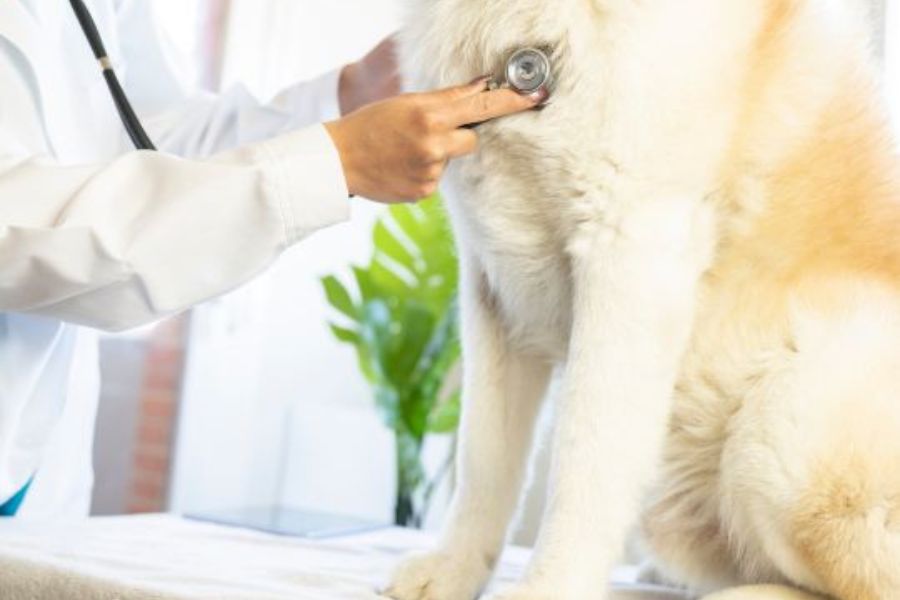
Your pet’s weight, temperature, heart rate, and breathing are checked first. The doctor then examines the eyes, ears, skin, coat, mouth, joints, abdomen, and paws. Lumps, swelling, discomfort, or mobility changes are carefully evaluated.
3. Dental Health Assessment
Dental care plays a major role in overall wellness. Bad breath, red gums, plaque buildup, and loose teeth may point to dental disease. Oral discomfort can affect eating habits and daily comfort. Your veterinarian may recommend a professional dental cleaning if concerns are found.
4. Vaccinations and Parasite Prevention
Vaccines protect pets from contagious illnesses that can affect long-term health. Your veterinarian reviews lifestyle risks before recommending vaccines. Flea, tick, and heartworm prevention are also discussed during the visit.
Internal parasites can affect digestion, energy levels, and weight.
Nutrition and Weight Management
Nutrition discussions are an important part of preventive care. Weight gain can increase stress on joints and organs. Weight loss may signal an underlying illness. Your veterinarian may recommend portion adjustments, diet changes, or feeding schedules based on your pet’s age and activity level.
Puppies and kittens need different nutritional support than senior pets.
Diagnostic Testing and Screening
Many wellness exams include routine bloodwork or fecal testing. These screenings can detect hidden health concerns before visible symptoms appear. Early detection often improves treatment success and quality of life.
Senior pets may need additional testing to monitor kidney function, liver health, blood sugar levels, or thyroid activity. Screening recommendations depend on breed, lifestyle, and age.
If your pet has not visited a clinic recently, searching for a veterinarian near you can help you establish a preventive care routine that supports lifelong wellness.
Questions Pet Owners Should Ask
Wellness appointments are the perfect time to discuss behavior changes, grooming routines, nutrition concerns, travel plans, exercise habits, and aging. Ask about anything unusual, even if it seems minor.
Pet owners should also ask about vaccine schedules, dental care frequency, parasite prevention products, and signs of common illnesses to watch for at home.
Creating a Stress-Free Experience
Many pets feel nervous during appointments. Bringing favorite treats, using a secure carrier, and staying calm can help reduce stress. Scheduling regular visits also helps pets become familiar with the clinic environment.
Positive experiences encourage easier future visits and support better long-term wellness care.
Conclusion
A comprehensive wellness exam supports your pet’s health through prevention, education, and early medical care. These visits help identify concerns before they progress while giving pet owners confidence about their companion’s well-being.
For pet owners seeking compassionate support and preventive services, consider scheduling a visit through the pet wellness exams page at Doko Animal Hospital. If you’re located in Blythewood, connecting with Doko Animal Hospital means choosing a community-centered clinic where compassionate care and personalized attention support your pet’s lifelong well-being.
Frequently Asked Questions(FAQs):
1. How often should my pet have a wellness exam?
A: Most healthy adult pets should receive a wellness exam once each year. Puppies, kittens, and senior pets may benefit from more frequent visits because their health needs can change more quickly over time.
2. What should I bring to my pet’s wellness appointment?
A: Bring medical records, vaccination history, current medications, and notes about any recent behavior or appetite changes. Stool samples may also be requested for parasite screening during your pet’s examination.
3. Are wellness exams necessary for indoor cats?
A: Indoor cats still need regular wellness exams. They can develop dental disease, arthritis, obesity, digestive issues, and other hidden health conditions that may not show visible symptoms during life at home.
4. Does my pet need bloodwork during a routine exam?
A: Routine bloodwork helps detect underlying problems before symptoms appear. Many clinics recommend annual screening for adult pets and more advanced testing for senior animals or pets with ongoing medical conditions.
5. What happens if the veterinarian finds a health problem?
A: If a concern is discovered, your veterinarian explains the findings, discusses possible causes, and recommends treatment or additional testing. Early detection often improves recovery and comfort.
6. How can I prepare my pet for a less stressful visit?
A: Use a secure carrier, bring favorite treats, and remain calm before the appointment. Short practice trips in the car and regular clinic visits can help pets feel more comfortable during examinations.