Published on: March 31, 2026
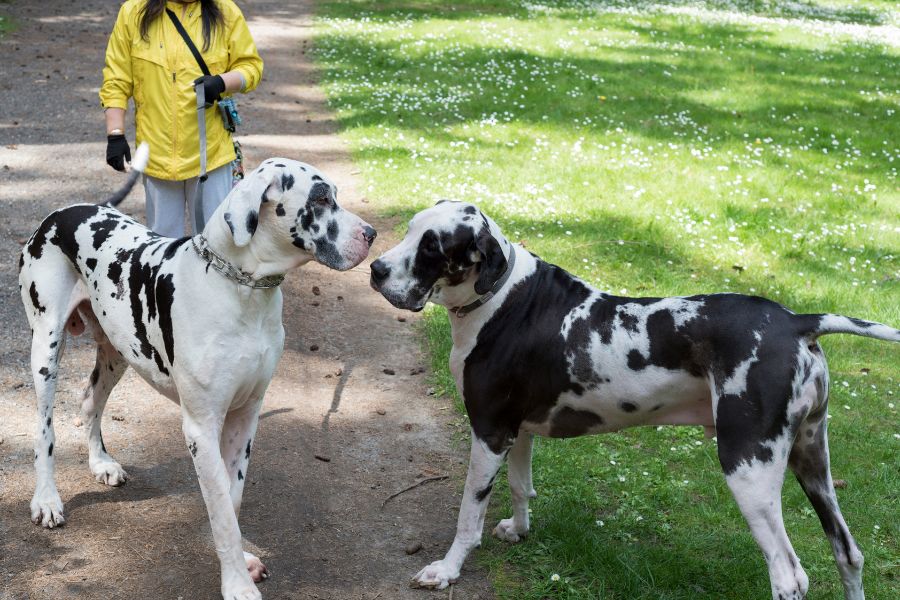
Great Danes are known for their towering size, calm nature, and deep loyalty. Often called “gentle giants,” they make loving companions for families and individuals alike. But one question comes up often among current and future owners: What is the life expectancy of Great Dane dogs?
The answer is not as simple as a single number. While their average lifespan tends to be shorter than that of many other breeds, several factors influence how long a Great Dane lives. This guide breaks everything down clearly and practically, helping you understand what to expect and how to support your dog’s health at every stage.
Understanding the Average Life Expectancy of Great Dane Dogs
The life expectancy of Great Dane dogs typically ranges between 7 and 10 years. Some may live slightly longer with excellent care, while others may face health challenges that shorten their lifespan.
Compared to smaller breeds that can live 12–15 years or more, Great Danes have a shorter lifespan, mainly due to their size. Larger dogs age faster, placing more strain on their organs, joints, and overall body systems.
Why Size Matters
Large and giant breeds like Great Danes grow quickly during their early months. This rapid growth can increase the risk of certain health issues, including:
- Joint stress
- Heart conditions
- Bone disorders
Understanding this helps explain why their lifespan differs from that of smaller breeds.
Key Factors That Affect the Life Expectancy of Great Dane Dogs
No two dogs are the same. Several important factors influence how long your Great Dane may live.
1. Genetics and Breeding Quality
A dog’s genetic background plays a major role in its health. Responsible breeding practices help reduce inherited conditions. Poor breeding, on the other hand, may increase the risk of serious diseases.
When possible, choose breeders who perform health screenings and provide clear medical histories.
2. Diet and Nutrition
Proper nutrition is essential for extending the life expectancy of Great Dane dogs. These dogs require:
- Balanced protein for muscle health
- Controlled calcium levels during growth
- High-quality ingredients to support overall wellness
Overfeeding or improper diets can lead to obesity, which puts extra stress on joints and the heart.
3. Exercise and Physical Activity
Great Danes are not overly active, but they still need regular movement to stay healthy. Moderate exercise helps:
- Maintain a healthy weight
- Support joint mobility
- Improve heart health
Avoid intense activity during puppyhood, as their bones are still developing.
4. Preventive Veterinary Care
Routine check-ups play a direct role in extending your dog’s life. Preventive care includes:
- Annual exams
- Vaccinations
- Parasite control
- Early disease detection
If you notice changes in behavior, appetite, or energy levels, it’s important to act quickly. For guidance on your pet’s health needs, you can always visit our website to learn more about when veterinary care is necessary.
5. Living Environment and Stress Levels
A calm, stable home environment supports a longer lifespan. Dogs that experience less stress tend to have better overall health. Providing a comfortable space, consistent routine, and mental stimulation makes a noticeable difference.
Common Health Issues That Impact Lifespan
To understand the life expectancy of Great Dane dogs, it’s important to recognize the health conditions that commonly affect the breed.
1. Bloat (Gastric Dilatation-Volvulus)
Bloat is one of the most serious risks for Great Danes. It occurs when the stomach fills with gas and twists, cutting off blood flow.
Signs include:
- Swollen abdomen
- Restlessness
- Drooling
- Difficulty breathing
This condition requires immediate emergency care.
2. Heart Disease
Dilated cardiomyopathy (DCM) is a common heart condition in large breeds. It affects the heart’s ability to pump blood effectively.
Regular veterinary exams can help detect this condition early.
3. Joint and Bone Issues
Due to their size, Great Danes are prone to:
- Hip dysplasia
- Arthritis
- Bone disorders
Proper weight management and controlled exercise can reduce the impact.
4. Cancer
Cancer is another factor that can influence lifespan. Early detection and timely treatment can improve outcomes.
Life Stages of a Great Dane
Understanding how your dog changes over time helps you provide the right care at each stage.
1. Puppy Stage (0–18 months)
This is a period of rapid growth. Focus on:
- Proper nutrition
- Controlled exercise
- Regular vet visits
Avoid overexertion to protect developing joints.
2. Adult Stage (18 months–5 years)
At this stage, your Great Dane is fully grown. Maintain:
- A balanced diet
- Consistent exercise
- Routine health checks
This is often the healthiest phase of their life.
3. Senior Stage (6+ years)
Great Danes are considered seniors earlier than smaller breeds. During this stage:
- Monitor for signs of aging
- Adjust diet if needed
- Schedule more frequent vet visits
Early support can improve quality of life.
How to Extend the Life Expectancy of Great Dane Dogs
While genetics play a role, your daily care choices have a strong impact on your dog’s lifespan.
1. Provide a Balanced Diet
Feed high-quality food designed for large breeds. Avoid sudden diet changes and monitor portion sizes.
2. Maintain a Healthy Weight
Excess weight increases the risk of joint problems and heart disease. Keep your dog in a healthy body condition.
3. Schedule Regular Vet Visits
Preventive care helps detect issues early. Routine check-ups are one of the most effective ways to support longevity.
4. Monitor for Early Warning Signs
Pay attention to:
- Changes in appetite
- Reduced activity
- Unusual behavior
Acting early can prevent small problems from becoming serious.
5. Create a Safe Living Environment
Provide:
- Comfortable bedding
- Non-slip flooring
- A calm, stable routine
These simple adjustments support long-term health.
Emotional Connection and Quality of Life
While discussing the life expectancy of Great Dane dogs, it’s important to focus not just on years, but on the quality of life.
Great Danes form strong emotional bonds with their families. They thrive on companionship, affection, and attention. Spending time with your dog, engaging in gentle activities, and maintaining a consistent routine all contribute to their well-being.
A shorter lifespan does not mean a lesser experience. With proper care, each year can be full of comfort, connection, and joy.
Conclusion: Helping Your Great Dane Live a Longer, Healthier Life
The life expectancy of Great Dane dogs typically ranges from 7 to 10 years, but many factors influence this timeline. Genetics, nutrition, exercise, and preventive care all play a role in shaping your dog’s life.
As a pet owner, your decisions make a meaningful difference. By staying informed, providing consistent care, and responding early to health concerns, you can help your Great Dane live a healthier and more comfortable life.
If you ever have concerns about your dog’s health or want to create a preventive care plan, it’s a good time to book an appointment with a trusted veterinary provider. Taking that step today can support your dog’s well-being for years to come.
Frequently Asked Questions (FAQs):
1. What is the average life expectancy of Great Dane dogs?
A: The average lifespan is typically between 7 and 10 years, depending on health, genetics, and care.
2. Why do Great Danes have shorter lifespans?
A: Their large size leads to faster aging and increased strain on their body systems, which can reduce lifespan.
3. Can a Great Dane live longer than 10 years?
A: Yes, some Great Danes live beyond 10 years with excellent care, proper nutrition, and regular veterinary check-ups.
4. What is the most common cause of death in Great Danes?
A: Common causes include bloat, heart disease, and cancer.
5. How can I increase my Great Dane’s lifespan?
A: Focus on balanced nutrition, weight management, routine vet visits, and early detection of health issues.
6. At what age is a Great Dane considered a senior?
A: Great Danes are usually considered seniors around 6 years of age.