
Published on: March 12, 2026
Healthy teeth and gums play a quiet but powerful role in your pet’s comfort and daily life. Many dogs and cats hide pain well, so dental trouble can grow unnoticed for months. Small signs such as bad breath, chewing changes, or red gums often point to deeper concerns. This guide explains the common warning signs of dental disease in pets, why those signs matter, and how early attention protects long-term health.
Pet owners will also learn practical steps for daily care at home and when to seek help. Strong awareness around pet dental health helps families avoid discomfort and costly treatment later. Local pet parents often share similar concerns about breath odor, eating habits, and gum health.
Signs of Dental Problems in Dogs and Cats
Dogs and cats show dental discomfort in subtle ways. A strong smell from the mouth is often the first clue. Plaque buildup and irritated gums create that odor. Drooling more than usual, pawing at the mouth, or chewing on one side also signals trouble. Food may fall from the mouth during meals. Some pets step away from the bowl even when hungry. Owners may notice yellow or brown buildup along the teeth.
Red or swollen gums are another warning sign. Gums may bleed during chewing or play. Cats sometimes chatter their teeth when pain appears. Dogs may resist toys they once loved. Weight loss can follow if chewing becomes uncomfortable. Behavior also changes. A gentle pet may become irritable when the mouth hurts.
Why These Signs Matter for Your Pet’s Health
Dental disease does not stay only in the mouth. Bacteria from infected gums can move through the bloodstream. This stress affects the heart, liver, and kidneys over time. Pain also changes behavior and appetite. A pet that avoids food may lose energy for walks and play. Early attention protects comfort and keeps daily routines normal.
Families often underestimate how much mouth pain affects mood. Pets cannot explain discomfort with words. They communicate through small actions such as hiding, sleeping more, or refusing treats. Observing these patterns helps owners respond quickly.
What Causes Dental Problems in Pets
Food particles and bacteria collect on tooth surfaces each day. Without cleaning, that layer hardens into tartar. Tartar irritates gums and creates pockets where infection grows. Diet texture, chewing habits, and age influence how quickly plaque builds. Small breed dogs often develop crowding that traps debris. Indoor cats may receive fewer chewing opportunities than those that naturally clean their teeth.
Regular home care reduces these risks. Brushing teeth with pet-safe toothpaste helps remove soft buildup before it hardens. Dental chews and textured toys support cleaner teeth. Routine examinations allow professionals to detect problems early.
How Owners Can Protect Their Pets
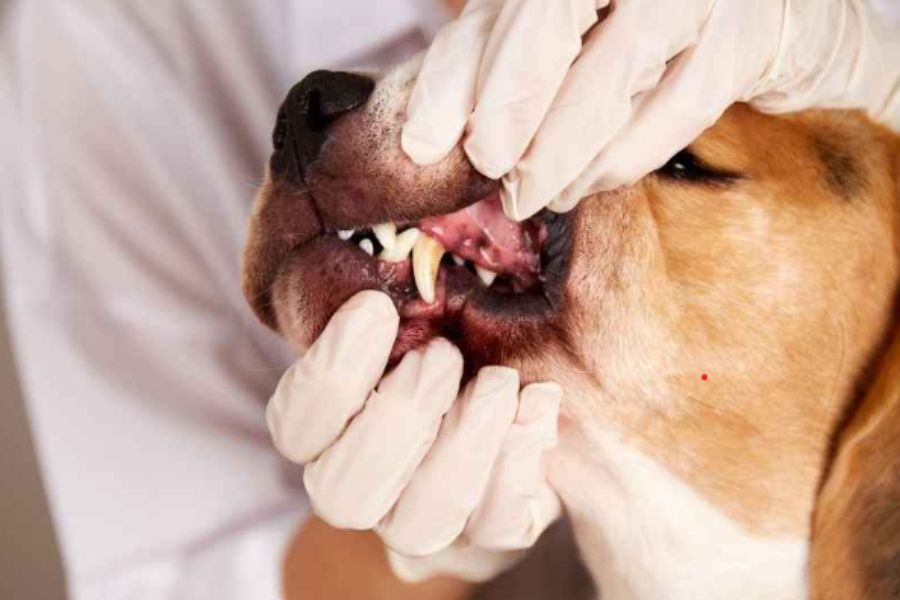
Prevention begins with simple observation. Check your pet’s mouth during calm moments at home. Look for redness, swelling, or dark buildup on teeth. Notice changes in breath smell or eating behavior. Short brushing sessions, two or three times each week, improve oral comfort. Offer safe chew toys that encourage natural scraping against the tooth surface.
Professional cleaning may still be needed when tartar becomes thick. A clinic visit allows a deeper examination and cleaning under careful monitoring. If you would like to explore other services that support your pet’s overall care, visiting the hospital website can introduce wellness programs, diagnostic options, and preventive guidance designed for local families.
Local Perspective for Pet Owners
Pet families in this community often spend time outdoors with their dogs in parks and walking trails. Dust, sticks, and rough chew items sometimes irritate gums or crack teeth. Cats that roam patios may chew plants or debris that can harm their mouths. Regular observation after outdoor play helps spot issues early.
Local clinics also see dental buildup linked to soft diets and limited chewing activity. Balanced food choices and safe chew outlets support stronger teeth. A quick consultation can guide owners toward practical routines that match their pet’s age and lifestyle.
Conclusion
Dental warning signs rarely appear suddenly. Small clues build over time through odor, gum color, and chewing habits. Careful observation and routine cleaning protect comfort and prevent severe infection. Continued attention to daily care supports lifelong wellness for dogs and cats. Awareness of pet dental health encourages timely action and happier routines for every household.
Trusted guidance from an experienced care team helps answer questions about brushing tools, safe chew choices, cleaning schedules, and early warning signs. Clear advice supports confident home routines and encourages timely visits when changes appear. This shared approach protects comfort and keeps smiles bright through every life stage for beloved dogs and cats alike in care.
We are conveniently located in Blythewood, SC, and welcome you to our facility at 120 Blythewood Rd, Blythewood, SC 29016, United States—where compassionate care and community come together for your pet’s well-being. Book an appointment with Doko Animal Hospital.
Frequently Asked Questions(FAQs):
1. How often should I check my pet’s teeth?
A: A quick look once each week helps owners notice redness, buildup, or odor early. Regular checks create familiarity with normal appearance, which makes unusual changes easier to identify.
2. Is bad breath normal for dogs and cats?
A: Mild food smell after meals can happen. Strong or sour odor often signals bacterial growth around teeth or gums. Persistent smell deserves a dental evaluation to prevent deeper problems.
3. Can dental disease affect my pet’s appetite?
A: Yes. Pain during chewing can make pets drop food or stop eating completely. Appetite loss sometimes leads to weight loss and lower energy for daily activity.
4. Are dental chews helpful?
A: Quality dental chews create gentle friction against tooth surfaces. This action loosens soft plaque and supports cleaner teeth when used regularly with supervision.
5. When should my pet see a professional for dental care?
A: Schedule a visit if you notice bleeding gums, swelling, tooth discoloration, or sudden chewing changes. Early care prevents deeper infection and protects comfort.
6. Do cats get dental disease as often as dogs?
A: Yes. Many cats develop gum inflammation or tooth damage with age. Quiet behavior often hides the problem until eating habits change.