
Published on: October 8, 2026
You notice a wet, red patch on your dog’s coat. By the end of the day, it has doubled in size. By morning, your dog won’t stop licking it. A dog hot spot skin infection can escalate from a small irritated area to a painful, oozing wound in less than 24 hours, and that speed is part of what makes them so alarming. But here is what many pet owners do not realize: hot spots rarely appear out of nowhere.
In most dogs, they are a symptom of something deeper, often an underlying skin allergy that has not yet been identified or treated. Understanding the link between allergies and hot spots does not just help you treat the current wound. It helps you prevent the next one from forming in the first place.
What a Hot Spot Actually Is
A hot spot, known clinically as acute moist dermatitis, is a localized area of skin infection that develops when bacteria proliferate rapidly on the skin surface. The trigger is almost always moisture and self-trauma. When a dog licks, chews, or scratches an area repeatedly, the skin barrier breaks down, moisture becomes trapped in the coat, and bacteria already present on the skin multiply.
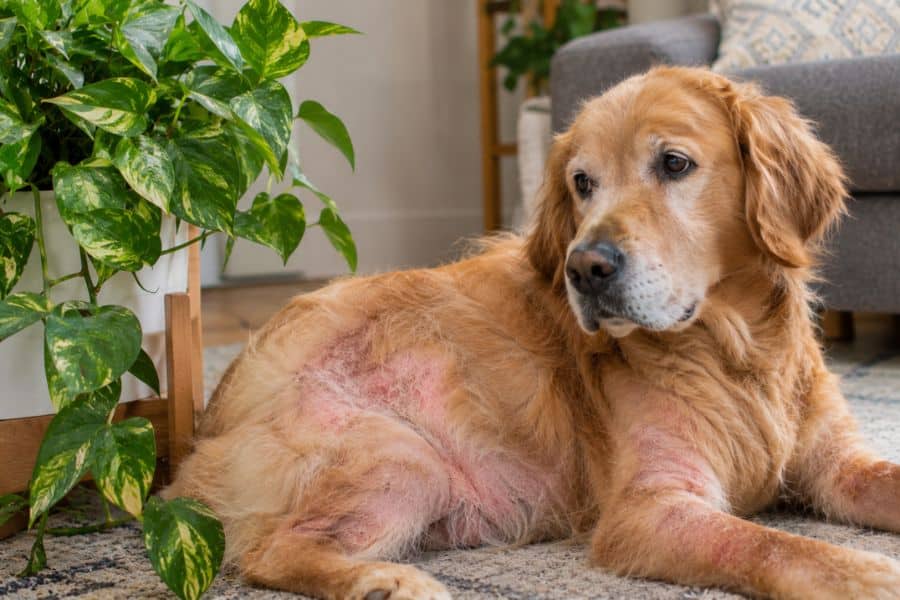
The resulting wound is red, warm to the touch, moist, and often has a foul odor. Hair loss around the wound is common. The lesion may be small when first discovered or may already be several inches wide, depending on how long the dog has been self-traumatizing the area.
Hot spots are more common in dogs with dense or long coats because moisture gets trapped close to the skin. They are also more prevalent in warm, humid climates. In South Carolina, the combination of heat, humidity, and extended pollen seasons creates conditions where dogs are both more likely to develop allergies and more susceptible to the moisture buildup that allows hot spots to form. Blythewood, SC dog owners often see hot spot flare-ups peak in late summer when humidity and allergen counts are both elevated.
Bacterial skin infections account for a significant portion of veterinary dermatology visits, and hot spots represent one of the most acutely distressing presentations for both dog and owner.
The Allergy-Hot Spot Connection: Why One Leads to the Other
The connection between skin allergies and hot spots is direct and well-established in veterinary practice. Here is how it typically unfolds:
- Environmental allergens cause itch: Pollen, mold spores, dust mites, and grass trigger an immune response in allergic dogs, producing itching across the skin.
- The dog scratches: Persistent scratching or licking at one area damages the skin surface.
- Skin barrier breaks down: Allergic dogs already have a compromised skin barrier, making them more vulnerable to infection once scratching begins.
- Bacteria colonize the wound: Normal skin bacteria, particularly Staphylococcus pseudintermedius, rapidly multiply in the moist, damaged area.
- A hot spot forms: Within hours to a day, the area becomes an acute moist dermatitis lesion.
- The itch-scratch cycle intensifies: The infected wound itches even more than the original allergy site, causing the dog to scratch harder.
Many dogs we see with recurring hot spots have an underlying atopic dermatitis diagnosis that was never made. The hot spots were treated with antibiotics repeatedly, but the allergy driving the self-trauma was never addressed. Once the allergy is properly managed, hot spot recurrence often drops dramatically.
If you notice any of these signs on your dog, contact your veterinarian promptly rather than attempting home treatment.
Diagnosing the Underlying Cause: What Your Vet Looks For
Getting to the root of recurring hot spots requires more than treating the wound itself. A thorough veterinary evaluation includes:
- Skin cytology: A sample is taken from the hot spot to identify the bacteria or yeast present, which guides antibiotic selection.
- Diet review: Food allergies can manifest as skin problems. Your vet may discuss an elimination diet trial if environmental causes are ruled out.
- Parasite check: Flea allergy dermatitis is one of the most common allergy triggers in dogs and a frequent precursor to hot spots. A thorough flea history and examination are essential.
- Allergy history: Your vet will ask about the timing of flare-ups, whether they correlate with seasons, and what areas of the body are affected.
- Consideration of atopic dermatitis: If all other causes are excluded, intradermal or serum allergy testing may be recommended to identify specific environmental triggers.
- Treating the hot spot: Clipping hair around the wound, cleaning the area, and prescribing appropriate antibiotics and anti-itch medication addresses the immediate problem while the underlying cause is investigated.
This diagnostic process matters because the treatment for a hot spot caused by flea allergy is different from one caused by environmental pollen sensitivity or food intolerance.
Why Some Dogs Get Hot Spots Over and Over
Recurring hot spots are a red flag that something is not being addressed upstream. The wound is a downstream consequence. Pet owners sometimes assume their dog is just unlucky or has sensitive skin. In reality, repeated hot spots almost always point to an unmanaged trigger.
A common misconception is that bathing a dog frequently prevents hot spots. In dogs with allergies, frequent bathing without thorough drying can actually make things worse by keeping the skin and coat damp, which creates the exact environment bacteria need to thrive.
Dog hot spot skin infection is also more likely to recur in dogs who are not on consistent parasite prevention. Even a single flea bite can trigger a significant allergic reaction in a sensitized dog, and that reaction is often localized to the base of the tail or flanks, classic hot spot territories.
Managing the underlying allergy, whether through immunotherapy, targeted medication, consistent flea prevention, or dietary adjustment, is the most reliable way to reduce hot spot frequency. In South Carolina’s climate, year-round flea prevention is not optional for allergy-prone dogs. The region’s mild winters mean flea populations remain active when pet owners in colder states have already stopped treatment.
Building a Prevention Plan That Works
Preventing hot spots long-term means addressing the itch at its source. A practical prevention plan typically includes:
Allergy management as the foundation. Whether that means environmental allergen control, a prescription diet, or medical therapy, reducing baseline itch reduces the likelihood your dog will self-traumatize a spot into infection. Coat management matters too. Regular grooming, especially in the dense-coated breeds most susceptible to hot spots, removes trapped moisture and debris from the coat. After swimming or bathing, thorough drying, particularly in the neck, tail base, and hip areas where hot spots commonly form, is essential.
Skin-supportive nutrition plays a supporting role. Omega-3 fatty acids help reinforce the skin barrier, making the skin more resistant to breakdown when the dog does scratch.
Doko Animal Hospital provides comprehensive skin and allergy evaluations to help identify what is driving your dog’s hot spots and build a prevention plan around your dog’s specific triggers.
Your dog does not have to cycle through repeated hot spot flare-ups. With the right diagnosis and a consistent management approach, most dogs see dramatic improvement. Book an appointment today.
Frequently Asked Questions(FAQs):
Q: Can I treat my dog’s hot spot at home without a vet visit?
Ans: Small, early-stage hot spots may improve with careful home cleaning and over-the-counter antiseptic, but hot spots spread quickly and can become severely infected within 24 to 48 hours. A veterinary visit ensures the wound is properly assessed, bacteria are identified, and appropriate medication is prescribed to prevent worsening.
Q: Are certain dog breeds more likely to develop hot spots?
Ans: Yes. Breeds with dense, thick, or water-resistant coats such as Golden Retrievers, Labrador Retrievers, Saint Bernards, and German Shepherds are more prone to hot spots because moisture becomes trapped close to the skin. Allergic dogs of any breed are also at elevated risk.
Q: Is it safe to shave the area around a hot spot?
Ans: Clipping the hair around the wound is a standard part of veterinary hot spot treatment. It removes matted, infected fur, allows the skin to dry, and makes topical medication more effective. Your veterinarian should perform or guide this step to avoid further irritating an already painful area.
Q: Can food allergies cause hot spots?
Ans: Yes. Food allergies in dogs most commonly present as itchy skin, and that itch can lead to the self-trauma that triggers a hot spot. If your dog has recurring skin problems and seasonal patterns do not explain them, a food allergy elimination trial may be worth discussing with your vet.
Q: How long does it take for a hot spot to heal?
Ans: With proper veterinary treatment, most hot spots improve noticeably within 3 to 5 days and resolve fully within 1 to 2 weeks. Larger or more deeply infected lesions may take longer. Treating the underlying cause is essential to prevent recurrence.